
What Is VBS3?
Virtual Battlespace 3 (VBS3) is a game-based military training simulation made by Bohemia Interactive Simulations, now BAE Systems OneArc. Released in 2014 and built on the engine behind the game Arma 3, it was used by 50+ nations to train hundreds of thousands of Soldiers a year. VBS4 replaced it in 2020.
The Standard in Game-Based Military Simulation
The successor to VBS2, Virtual Battlespace 3 was the flagship product of Bohemia Interactive Simulations from 2014 until VBS4 replaced it in 2020. At its peak it was used by 50+ NATO-friendly nations to train over 500,000 Warfighters each year. The U.S. Army moved its Games for Training program from VBS2 to VBS3 in 2014.
VBS3 vs. Arma 3
VBS3 is powered by the game engine behind Bohemia Interactive’s Arma 3, so Arma players will recognize the look and feel. Like VBS2 before it, VBS3 is a training tool for militaries rather than a game. It has all the training features from VBS2, plus:
- Terrain areas up to 2,000 x 2,000 km
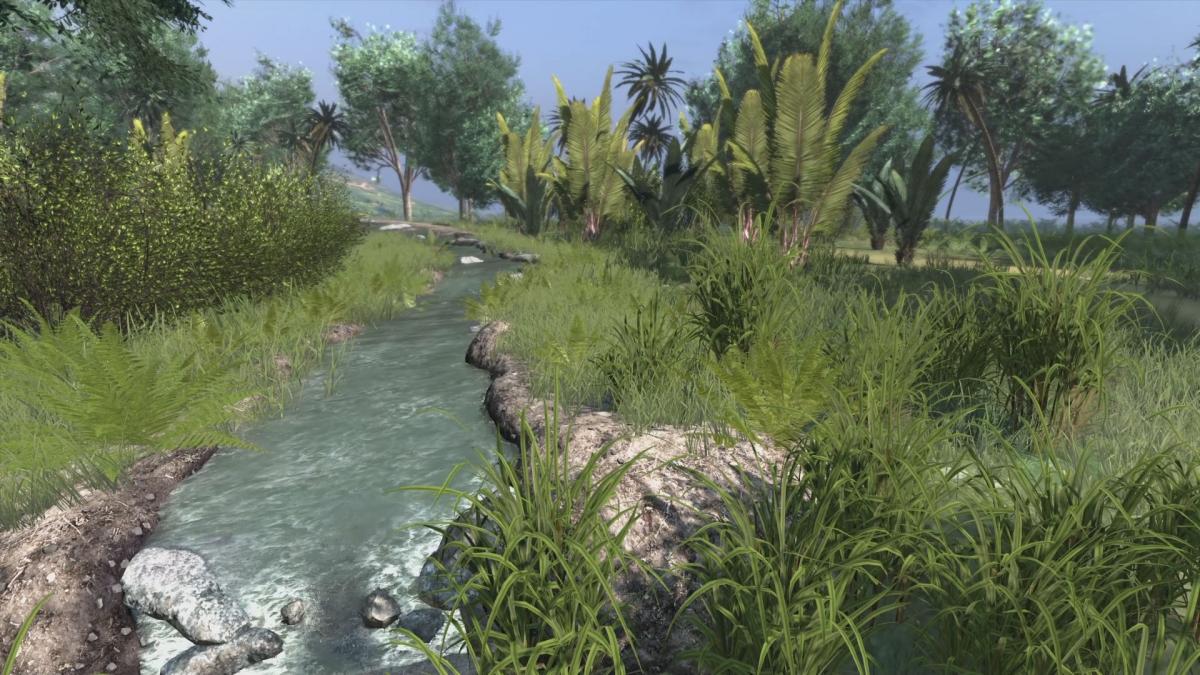
- Greatly enhanced graphics
- Better networking performance and higher entity counts
- A dynamic environment model, including the physical effects of snow, mud and sea states
- Stronger support for maritime content and capabilities
- Many additional gameplay features
Train Anything
The U.S. Army accredited VBS3 to train over 100 tasks. Militaries around the world used it for hundreds of training use cases on land, at sea and in the air. Examples include:
| Counter-IED | Route clearance | Enemy mindset training | Vehicle identification |
| Vehicle checkpoint | Vehicle and object search | Driver training | Tank crew training |
| Engineer training | Vehicle recovery | Radio procedures | First aid training |
| Scuba training | Parachuting | Ship familiarization | Rules of engagement |
| Anti-piracy operations | Cultural awareness | Lessons learned | Vehicle part-task training |
A Platform for Simulation Development
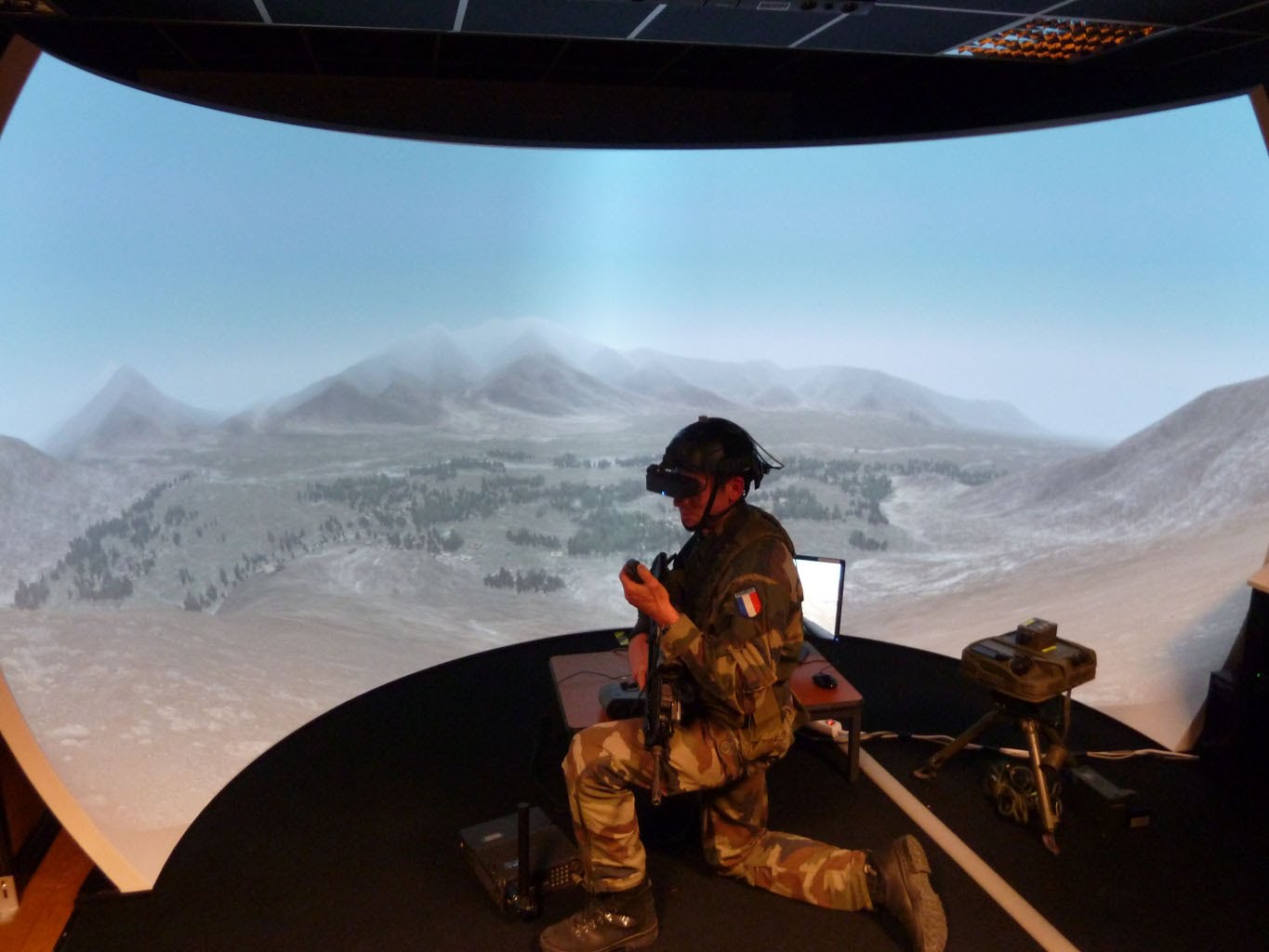
Other companies used VBS3 as a development platform, building their own simulators on top of it. A few examples:
| Tank driver simulators | Forward Air Controller simulators | Parachuting simulators | Firefighting simulators |
A Model of Continuous Improvement
Like VBS2, VBS3 followed an enterprise software model rather than a game release cycle. Over its life it shipped at least four major updates a year, most of them funded by militaries that needed a specific capability. Everything built for one customer became part of the product for all of them.
What Came Next
In 2020 VBS4 replaced VBS3 with a whole-earth simulation. In 2025 the U.S. Army began moving its Games for Training program from VBS3 to VBS4.
My Role
I moved to Prague in 2013 to lead the design team for VBS3, and stayed with the product until 2021, first as Lead Designer and then as Design Director. Alongside that I was Lead Producer for the feature teams and later Product Development Lead for the VBS3 product group of up to 40 people.
Design. Government contracting often sells features before they are designed. I brought business analysis and UX design techniques into the pre-sales process so customers were more likely to get exactly what they needed, even in rigid contracting environments.
Production. The company grew from about 100 people when VBS3 started to more than 250. What worked for a small studio stopped working, so we brought in practices from game development, enterprise software and general management. Routine overtime before releases, once common, was nearly eliminated.
Agile. I helped lead the move to cross-functional Scrum teams and acted as scaled Product Owner for new VBS3 features, leading the feature development teams.